An agent is an agent is an agent… right?

There’s really no difference between them, so just go with the cheapest one—right?

Not so fast.

Here are four key differences between real estate agents that can either make or break your bank account—in no particular order.

1. Their Reputation in the Industry

Does everyone hate your agent? Do they have a reputation for being difficult, unprofessional, or just plain unpleasant to work with?

This matters—a lot.

When agents negotiate deals, relationships play a role. If your agent is known and respected in the community, it can lead to smoother transactions, better negotiations, and ultimately, a more favorable outcome for you. Sometimes, real estate isn’t just about what you know—it’s who you know.

2. Their Communication Skills

Do they never get back to you?

Look, I get it—no one should be glued to their phone 24/7. But in today’s world, with smartphones in every pocket, there’s zero excuse for an agent who regularly fails to respond.

How long do you think a buyer is going to wait for your agent to call them back? Probably 0.01 seconds.

A great agent picks up when they can and calls back ASAP when they can’t.

3. Real Experience (Not Just Years on a License)

I’m not talking about the agent who says, “I’ve been licensed for 30 years, therefore I’m better.”

That’s just an appeal to job tenure, not actual skill.

You can hold a license for decades and still be terrible.

When I say experience, I mean experience selling a LOT of homes. That kind of experience means:

  • They’ve seen deals go sideways and know how to protect you.
  • They’ve handled tough situations and kept clients out of trouble.
  • They’ve worked through hundreds of thousands (or millions) of dollars in transactions and know how to get deals done right.

If an agent has been around for years and sells a high volume of homes, chances are they’re actually good at what they do.

4. How Much They Care

Real estate isn’t just about buying and selling houses—it’s about changing lives.

This job comes with serious responsibilities, and the right agent doesn’t just handle transactions—they genuinely care about their clients.

Beyond being professional, responsive, and experienced, your Realtor should give a damn about you, your family, and your future. They should care enough to do their absolute best—because these decisions have real, lasting consequences.

Is That Too Much to Ask?

I don’t think so.

When choosing an agent, look beyond the price tag. The right agent can be the difference between a smooth, successful transaction… or a financial nightmare.
The Beginner’s Guide to Real Estate Investing: 3 Smart Entry Points

If you’re thinking about getting into real estate investing, there’s one rule you need to remember right out of the gate: risk and reward go hand in hand. The lower the risk, the lower the potential return—but also the fewer headaches. The higher the risk, the greater the potential for profit, but only if you know what you’re doing.

That’s why the first step in real estate investing isn’t picking a property—it’s assessing your own resources and skill level. How much capital do you have? How comfortable are you with renovations and property management? Once you know where you stand, you can decide which entry point makes the most sense for you.

Here are three great beginner-friendly real estate investment options, ranked from lowest to highest in terms of required resources and skill:


1. The Hands-Off Approach: New Build Condo or Townhouse

Best for: Investors who want a low-maintenance, low-risk option.

If you’re looking for a relatively straightforward way to get started, buying a pre-construction condo or townhouse is a great option. These properties are new, meaning minimal repairs and maintenance, and they often come with a builder’s warranty.

Pros:

  • Lower upfront maintenance costs
  • Strong rental demand in growing areas
  • Hands-off property management if desired

Cons:

  • Higher purchase price per square foot
  • Condo fees can eat into profits
  • Limited ability to add value through renovations

If you want a set-it-and-forget-it type of investment, this is your best bet. Just be sure to research the developer and the long-term rental market in the area before signing on the dotted line.


2. The Income Generator: Bungalow with a Secondary Dwelling

Best for: Investors who want to maximize rental income without a massive renovation project.

If you have a bit more capital and don’t mind being a landlord, buying a bungalow with an existing secondary dwelling (like a basement suite or coach house) can be a fantastic move. You’ll benefit from two rental incomes off one property, which can help offset mortgage costs and increase cash flow.

Pros:

  • Built-in income stream from day one
  • Greater affordability than a multi-unit building
  • Stronger appreciation potential than a condo

Cons:

  • Requires property management skills
  • Potential for tenant-related issues
  • Some municipalities have strict regulations on secondary units

This is a great middle-ground option for those who want more cash flow without diving into full-scale renovations.


3. The Value-Add Play: Home with Secondary Dwelling Potential

Best for: Investors with some experience or a willingness to take on renovations.

For those who want to force appreciation and maximize returns, buying a home with secondary dwelling potential can be an incredible opportunity. This means purchasing a property that doesn’t yet have a second suite but could be converted with the right permits and renovations.

Pros:

  • Ability to buy below market value and add instant equity
  • Higher rental income once renovations are complete
  • Greater control over the design and layout of the secondary unit

Cons:

  • Requires more capital upfront
  • Zoning and permits can be a hurdle
  • Renovations can be unpredictable

This strategy requires a keen eye for opportunity and a solid understanding of local bylaws. If you’re up for the challenge, it’s one of the best ways to build wealth through real estate investing.


Which Option is Right for You?

Each of these strategies has its place, but the best one for you depends on your comfort level with risk, your available capital, and how involved you want to be. If you’re new and want to play it safe, go for a new build condo or townhouse. If you want higher returns but a manageable level of risk, a bungalow with a secondary dwelling is a solid middle ground. And if you’re willing to put in the work for maximum upside, a home with secondary dwelling potential could be your best bet.

No matter where you start, remember: successful real estate investing is about making smart, calculated decisions, not emotional ones. Assess where you are today, pick the right strategy, and take that first step toward building your real estate portfolio.

Exciting New Development in Orleans: What You Need to Know About 1615 Orleans Blvd

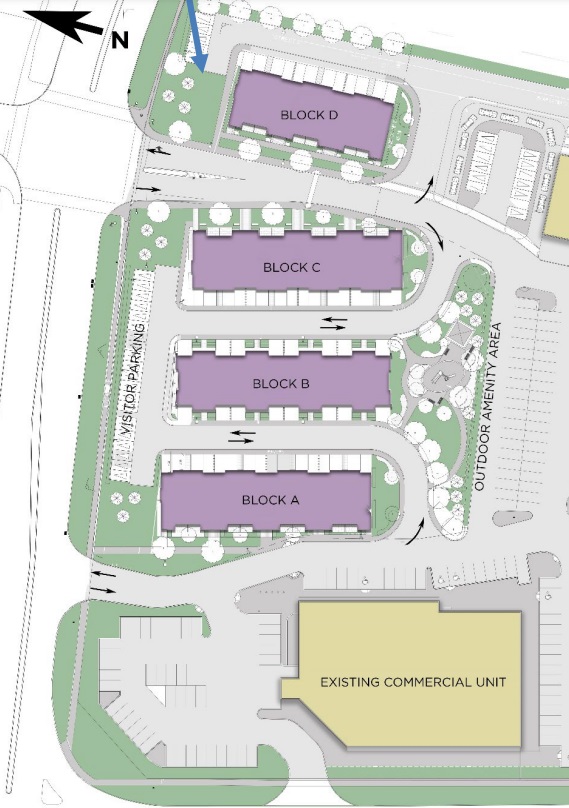
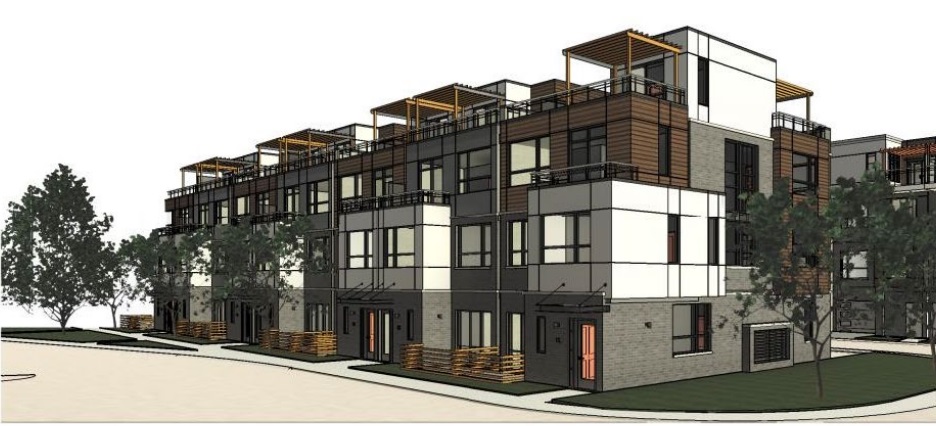
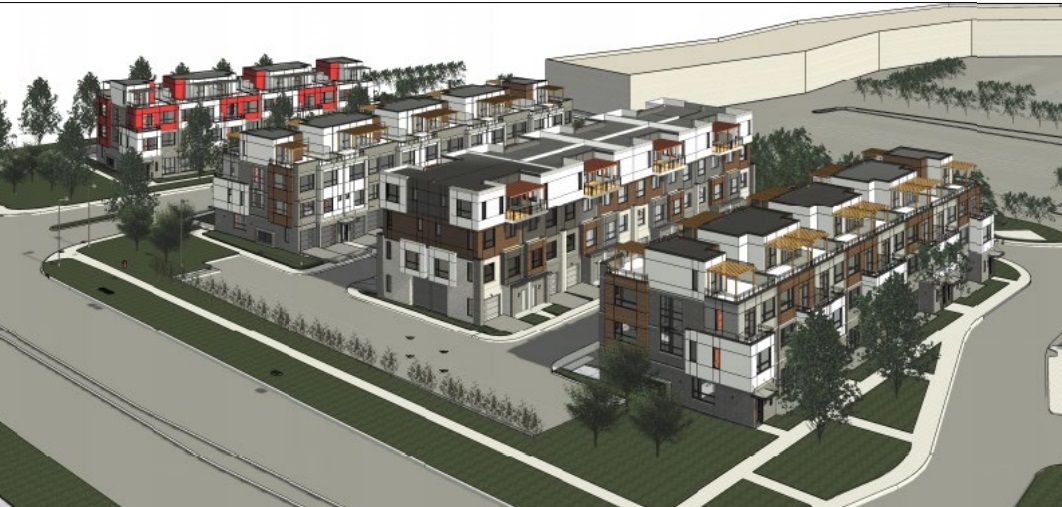
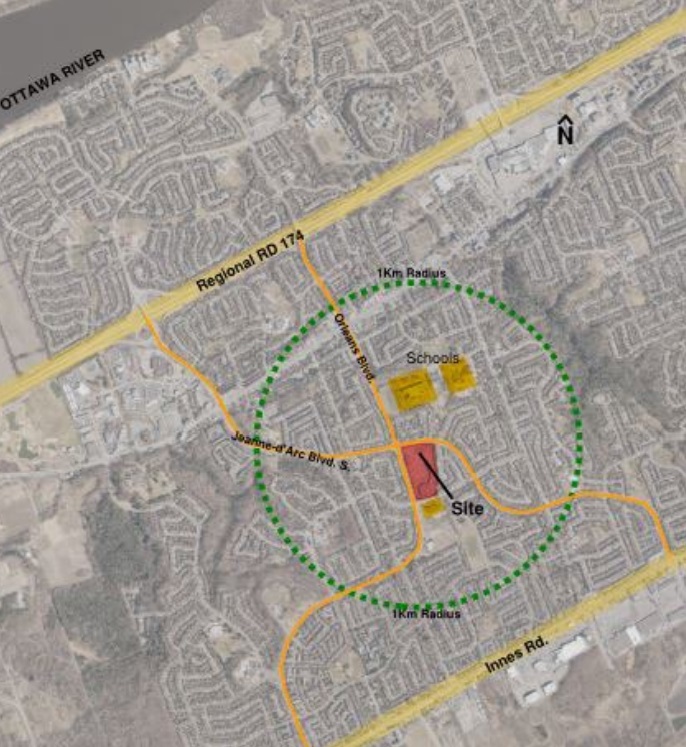
A brand-new residential project is on the horizon in Orléans, and if you’re a homeowner, investor, or simply someone who loves keeping up with the evolution of our city, this is one you’ll want to watch. Located on Orléans Boulevard in the open field near the Independent Grocer and essentially beside the Rexall, this proposed development is set to bring modern, low-rise rental townhomes to the area—blending contemporary design with much-needed housing options.

The Vision for 1615 Orleans Boulevard

This new development is more than just another apartment complex; it’s a carefully planned residential community. The proposal, submitted in early 2023, outlines a total of 60 back-to-back townhomes arranged across four blocks. Designed with a sleek, modern aesthetic, these homes will integrate seamlessly into the surrounding neighborhood while offering fresh, contemporary living spaces.

What Makes This Project Stand Out?

One of the most exciting aspects of this development is its focus on enhancing the urban landscape. The plan prioritizes pedestrian-friendly spaces, green areas, and a well-thought-out connection to the surrounding commercial amenities. Situated at the corner of Jeanne D’Arc Boulevard and Orléans Boulevard, the site is within walking distance of grocery stores, parks, schools, and transit options—making it a prime location for families, professionals, and renters looking for convenience and accessibility.

Why This Matters for Orleans

As the demand for housing continues to rise, especially in suburban areas like Orléans, projects like this are crucial for meeting the needs of our growing community. With a zoning designation that allows for mixed-use development, this site was a natural fit for residential expansion. The addition of 60 rental units will provide more options for those looking to move into the area while also increasing property values for homeowners nearby.

What’s Next?

As of now, the project is still in the Site Plan Control phase. That means final approvals and potential modifications are still in progress. If you’re interested in learning more, you can review the official site plan documents here. We’ll be keeping an eye on this development and providing updates as the project moves forward.

Stay tuned for more insights on what’s happening in Orléans’ real estate market. If you’re thinking about buying or selling in the area, let’s chat! Our team is here to help you navigate the opportunities this vibrant community has to offer.

How Evolutionary Instincts Shape Ottawa’s Real Estate Migration Patterns

Ever notice how people naturally gravitate towards certain neighborhoods, housing types, and communities? Turns out, it’s not just about affordability or convenience—it’s wired into us. Two key psychological concepts, the Dunbar Principle and the Savanna Theory of Happiness, explain why people move the way they do. Understanding these instincts helps us predict migration trends in Ottawa’s real estate market and, more importantly, helps you make smarter buying or selling decisions.


The Dunbar Principle & The Need for Community

The Dunbar Principle suggests that humans can maintain meaningful social relationships with about 150 people—this comes from our evolutionary past when small, tight-knit groups were the key to survival.

How does this relate to Ottawa real estate?

Buyers today aren’t just looking for square footage; they’re looking for connection. Young professionals, growing families, and even downsizers want communities that offer familiar faces, a sense of belonging, and walkability to social hubs. It’s why areas like The Glebe, Westboro, and Barrhaven are so popular—walkable streets, community events, and vibrant local businesses make them feel like modern versions of ancient villages.

For sellers, this means that marketing your home isn’t just about showcasing the granite countertops. It’s about selling the lifestyle—the neighborhood coffee shop where the barista knows your name, the local park where neighbors gather, and the farmers’ market that brings people together. The more you can highlight the built-in sense of community, the more desirable your home becomes.


The Savanna Theory of Happiness & The Pull Toward Space

The Savanna Theory of Happiness argues that humans are happiest in environments that resemble the landscapes where our ancestors thrived—open spaces, greenery, and the balance of nature and community.

This explains why we see so many young families migrating out of the downtown core to suburban and semi-rural areas like Manotick, Stittsville, and Rockland. The appeal isn’t just bigger backyards—it’s the subconscious pull towards environments that align with our evolutionary happiness triggers.

Sellers looking to downsize should take note: empty nesters moving from the suburbs to the city aren’t just looking for a condo—they’re looking for a new kind of freedom. While they’re giving up space, they’re gaining proximity to urban parks, bike paths, and social hubs, which satisfy that same savanna-like need for balance between movement and connection.


How This Applies to You—Whether You’re Buying or Selling

Understanding these migration patterns can help you strategically position yourself in the market.

  • For Buyers: If you’re debating between urban and suburban, consider not just your current needs, but where you’ll feel most at home in five years. Do you thrive in a high-energy, walkable environment, or do you crave more space and access to nature?
  • For Sellers: Knowing where your likely buyer is coming from (both literally and psychologically) allows you to tailor your home’s marketing to highlight what really matters to them—whether it’s community engagement or a retreat from the noise.

The Big Takeaway? We Move the Way We’re Wired To

Every real estate decision, whether buying or selling, is shaped by instincts far older than the housing market itself. By understanding these deeper motivations, you can make better, more informed decisions—ones that don’t just fit your budget, but fit your nature.

Looking to make a move that aligns with how you’re wired? Let’s talk.

Trading Real Estate without a good agent is like being the “I see RED” guy rolling with a Black Belt

Might seem like a good idea at first. They don’t know me son!

We’ve all met someone like that. There’s always that one guy who comes into the gym and goes all-in, thinks they have it figured out and then gets humbled fast.

Same thing happens in Real Estate. Someone thinks they’re going to save tens of thousands of dollars by skipping the supposed useless agent, only to get absolutely bombarded with an avalanche of issues they didn’t even know existed.

I bet you didn’t know you could get choked out with your own arm, and I bet you didn’t know that those cracks in your foundation aren’t actually structural and don’t need a 50K reduction as per the overpriced quote from a random company. There are dozens and dozens of tactics that can and will be used against you if you choose to go at this alone, and you’re doing it completely at your own risk.

Just like how a stupid sweep or leg lock will appear out of nowhere, bad contracts, hidden fees and negotiation pitfalls will catch you too.

Think you can handle negotiations, inspections and paperwork alone? That’s like going hard for 3 minutes with a black belt and wanting to die 1 minute in.

Don’t believe me?

Meet my professor. The nicest, softest speaking, PHD candidate, quiet and kindest guy ever. Probably walks with his head down and hands in his pockets. Also 6 foot 3 and 220lbs and will break whichever series of bones on you he wants to just for the sound of it.

Why wouldn’t you want that guy on your side?

You really have no idea what traps lurk out there for you.

In all seriousness – consider this… WHY IS IT that my most wealthy and successful clients NEVER go at it alone, and always pay full pop for a Realtor?

WHY?

I’ll tell you – because they’ve BEEN AROUND and they KNOW they can get more done and have a higher potential for success by leveraging a professional.

They know a skilled agent, coach and black belt can save you unnecessary time, money and pain.

Don’t see red.

See green – let’s make some money and win.

Reaching Buyers Who Don’t Live Here (Yet)

I met a really rich guy over 10 years ago that was selling a few million dollar penthouses (yes… a few of them). He explained to me how a young kid like myself (at the time) could essentially take over the luxury home market with some good old fashioned hard work and strategic thinking.

“You see”, he begun to explain, “the current top dogs have the market cornered, and most of the wealthy people in this City desperately want some other options”. He took a deep breath and said “None of us want an agent. We want Buyers for our homes -the problem is that we don’t have the means to find them”.

Interesting, I thought. “So… what would be the best means to find them” I asked.

“Well it certainly isn’t just cornering the market through local connections – most of the Buyers aren’t from here – they’re from all over the world.”

He continued “If you were to take your time and build out a list of top agents in all the major markets of the world, open lines of communication with them for the purposes of selling Ottawa as a destination and yourself as their contact to show your homes to – you would clean up”.

So guess what I did. I leaned into the Remax Network which has offices all over the world and started doing research and opening lines of communication.

As it stands now, I have personally curated rolodex of many of the top agents in China, India, Philippines, Nigeria, London and France. While Remax is in literally 104 more countries, those 6 that I mentioned contribute to the vast majority of immigration to Ottawa specifically.

So my strategy as it stands, is to regularly send these contacts reasons for moving to our City, updates on what makes it so attractive, as well as… you guessed it.. my listing inventory.

Now is it a guarantee that I will sell your townhouse to someone in Manila? Not really.

But that’s not really the point either.

The point is that I am constantly and deliberately working on my system to get your home in front of the best Buyers – and a major part of that system is to focus on Product Placement.. that is.. WHERE your home is advertised.

In today’s world, it’s just a fact that the local MLS might not have enough of a reach to find Buyers who aren’t here yet.